
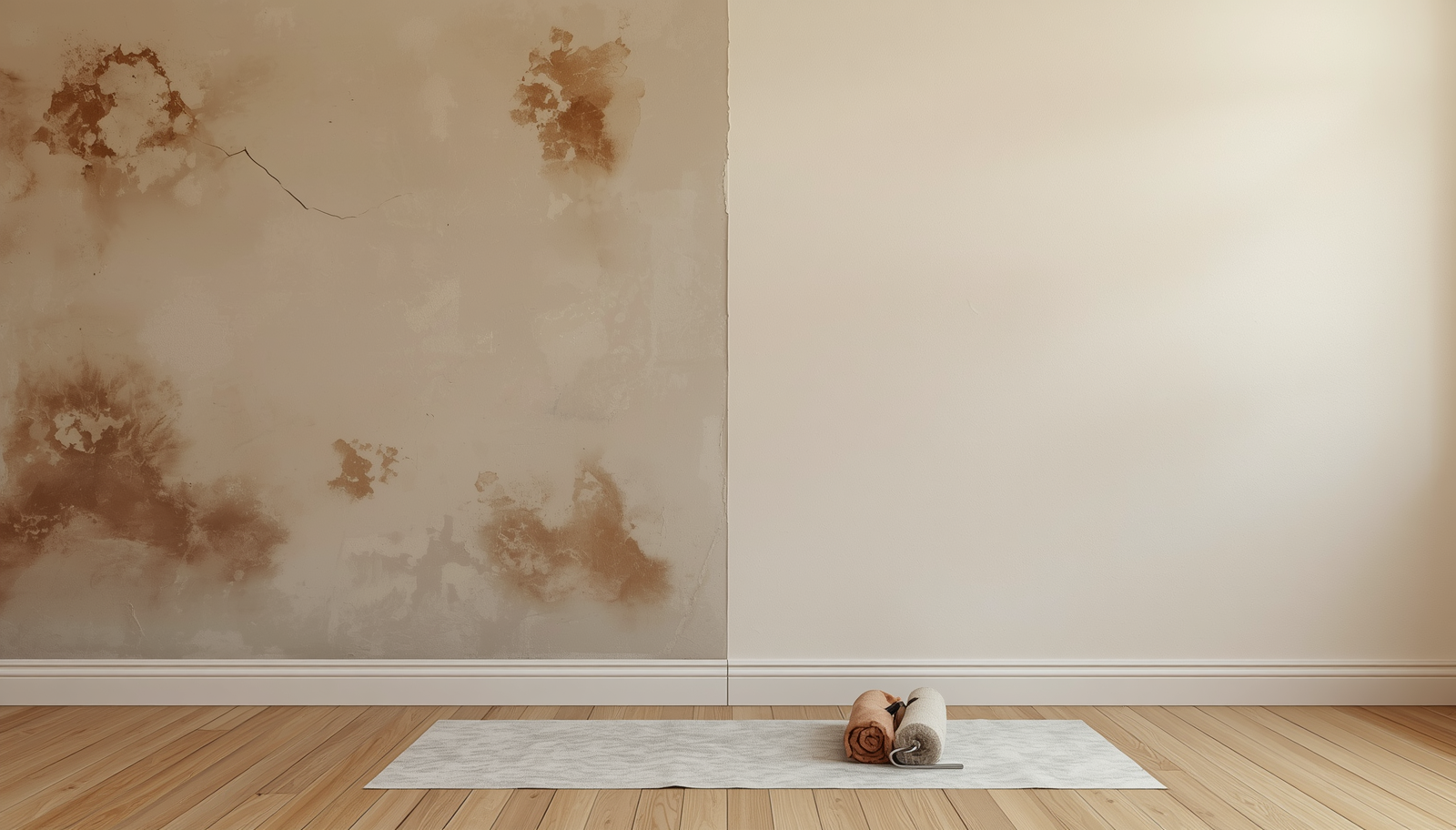
One thing that immensely frustrates homeowners is disappointing finishes. Whether it’s peeling paint or uneven coverage, these mistakes are exactly why you need a proper primer for Sydney homes.
When proper priming takes place, you can guarantee a good outcome while saving time, money and even frustration.
Introduction to Primer for Sydney Homes
Primer for Sydney homes, also known as an undercoat, is a preparatory base coat to surfaces before painting. The main purpose of a primer is to ensure the paint solidly sticks to the surface and blocks stains. It also improves durability and paint life, which is essential for Sydney’s humid climate and variable surfaces.
Without primer, the paint may not adhere well to the surface, reducing durability. It absorbs moisture faster, which is highly present in coastal areas, weakening adhesion over time.
Unprimed surfaces often result in premature peeling and a patchy appearance.
What Is Primer and Why Do Sydney Homes Need It?
A primer is the base layer that seals surfaces, promotes paint adhesion, blocks stains, and creates uniform colour. It can be applied for both interior primer and exterior primer for Sydney homes.
What is Primer vs Paint, Key Differences
| Feature | Primer | Regular Paint |
| Primary purpose | Seal, bond & protect the surface | Enhance appearance & colour |
| Pigment load | High — hides imperfections | Moderate — focuses on finishModerate — focuses on finish |
| Moisture resistance | Yes — blocks moisture absorption | Limited |
| Stain blocking | Yes | No |
| Surface filling | Yes — fills minor cracks & pores | No |
| VOC levelsVOC levels | Low (water-based options) | Varies by product |
| Can be used alone | No | Yes |
Primers for Sydney homes are formulated with a higher pigment load compared to regular paint. It can enhance colour and hide imperfections better than paint.
Primers also contain sealing properties that help seal the surfaces. Using primer painting in Sydney, you can prevent uneven absorption and resist moisture and mould. It even has surface-filling capabilities, containing more solids to fill small spaces and create a more uniform base.
Meanwhile, regular paint is primarily formulated to enhance appearance and durability, not to protect the surface from moisture and mould. That’s why it’s necessary not to skip them when handling bare or difficult spaces.
When Primer Is Essential in Sydney
Here are specific situations where skipping priming is a bad idea:
- New plaster is still very porous and highly prone to absorbing moisture quickly. It needs a primer to prevent the paint from soaking in and create a smooth surface for painting.
- Stained walls need primers so their imperfections are not so blatant on your final coat. The primer hides them away as if they’re not there.
- High-humidity areas like bathrooms face constant moisture. Therefore, they need moisture-resistant primers as an imperative barrier against dampness.
- Drastic colour changes require a primer to keep the old colour from showing through and leaving a patchy appearance. This is especially true when you’re changing from darker tones to lighter ones.
- Bare timber is a porous material that absorbs moisture when wet and releases tannins. A primer prevents any wet compound from seeping through the paint and ensures a stronger bond.
- Bare metal needs primers to seal it off from moisture in the air. It serves as a “sealer,” shielding metal surfaces from contaminants.
Types of Primer for Sydney Home Painting
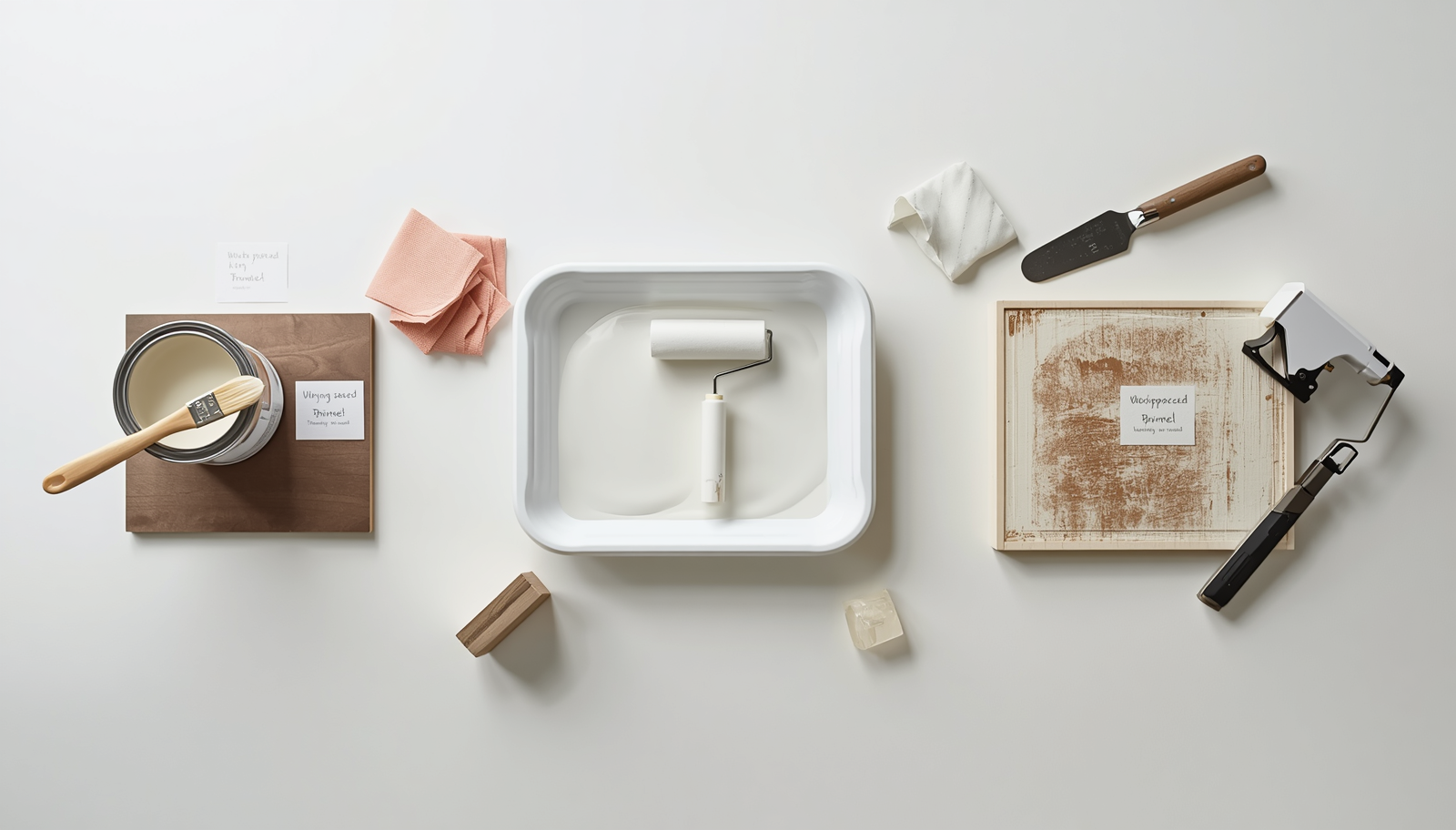
Depending on your surface, there are different paint primers that’ll work best for your project.
Water-Based (Latex/Acrylic) Primer
This is a latex-based primer for interior walls in Sydney. It’s considered to be the best primer for Sydney house painting walls because it’s low on VOC. It has low odour and fast drying, ideal for family homes.
Oil-Based Primers
Zinsser primer Sydney is made of oil, which makes it perfect for both timber and metal surfaces. It has a certain thickness to it that blocks stains from popping out on exterior surfaces.
Shellac-Based Primers
When you have intense coverage projects, these primers are the ultimate stain blockers for the following:
- Smoke
- Water damage
- Odour sealing in renovations
Surface Preparation Before Applying Primer
Thoroughly clean the surface with a damp cloth to remove any contaminants. For stubborn dirt, we recommend using an abrasive sponge to scrub the area.
Afterwards, sand the surface to smooth out any damaged or uneven areas. This is crucial to create a stable surface for the primer to stick to.
If there are any cracks or holes, use a drywall compound and fill the holes or dents. Let it dry completely before sanding the surface to create a uniform and smooth surface.
80% of all our successful paint projects rely heavily on our preparation-first approach. By leading with a “preparation philosophy,” primers can last longer.
You get rid of contaminants that may interfere with chemical bonding. You can also seal the surface and resist environmental stressors like moisture to deliver a flawless finish.
Primer Before Painting: How Professionals Apply Primer in Sydney Homes
A brush is ideal for applying primer to small and intricate spaces because it offers better control. However, you might need to apply multiple coats for better coverage.
Conversely, a roller is perfect for covering large spaces like walls, requiring fewer coats. Apply each coat thinly and evenly, and let it dry thoroughly before applying the next one.
Always use a surface preparation primer that is mould-resistant for your bathroom and kitchen.
Before priming, treat rust or any mould growth and improve ventilation. This step is necessary to avoid moisture buildup, fairly common in coastal Sydney.
Take your time and avoid rushing the process:
- Oil-based primer: slow to dry (between 6 and 8 hours, depending on humidity, for recoat)
- Latex primer: dries faster (between 3 and 4 hours before recoating, and even longer with higher humidity)
- Shellac-based primer: dries incredibly fast (about 2 hours before applying the next coat)
Sydney Suburbs Where Primer Makes the Biggest Difference
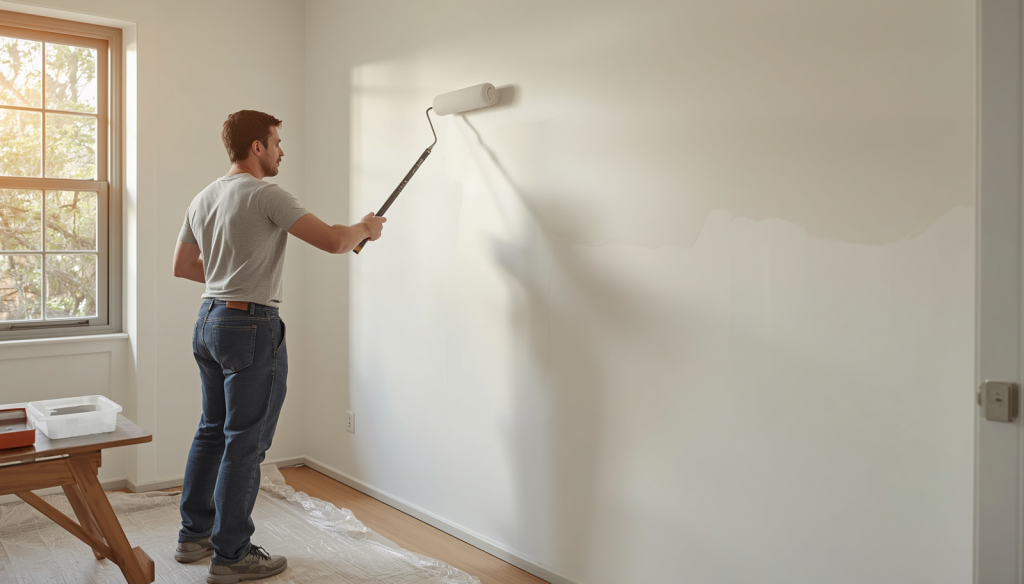
Primers help create a defensive coating that limits moisture absorption and enhances UV resistance. Humid coastal areas (Eastern Suburbs, Northern Beaches), older homes (Inner West, Hills District), and renovation hotspots (North Shore) make primers essential.
Get it Right with Our Professional Priming Services
Most paint problems occur due to skipped primers. At A One Korean Painting, we stand by proper preparation for guaranteed perfect results.
Contact A One Korean Painting today for your free primer + paint consultation and quote.
TABLE OF CONTENTS
- Introduction to Primer for Sydney Homes
- What Is Primer and Why Do Sydney Homes Need It?
- When Primer Is Essential in Sydney
- Types of Primer for Sydney Home Painting
- Surface Preparation Before Applying Primer
- Primer Before Painting: How Professionals Apply Primer in Sydney Homes





 Verified by Trustindex