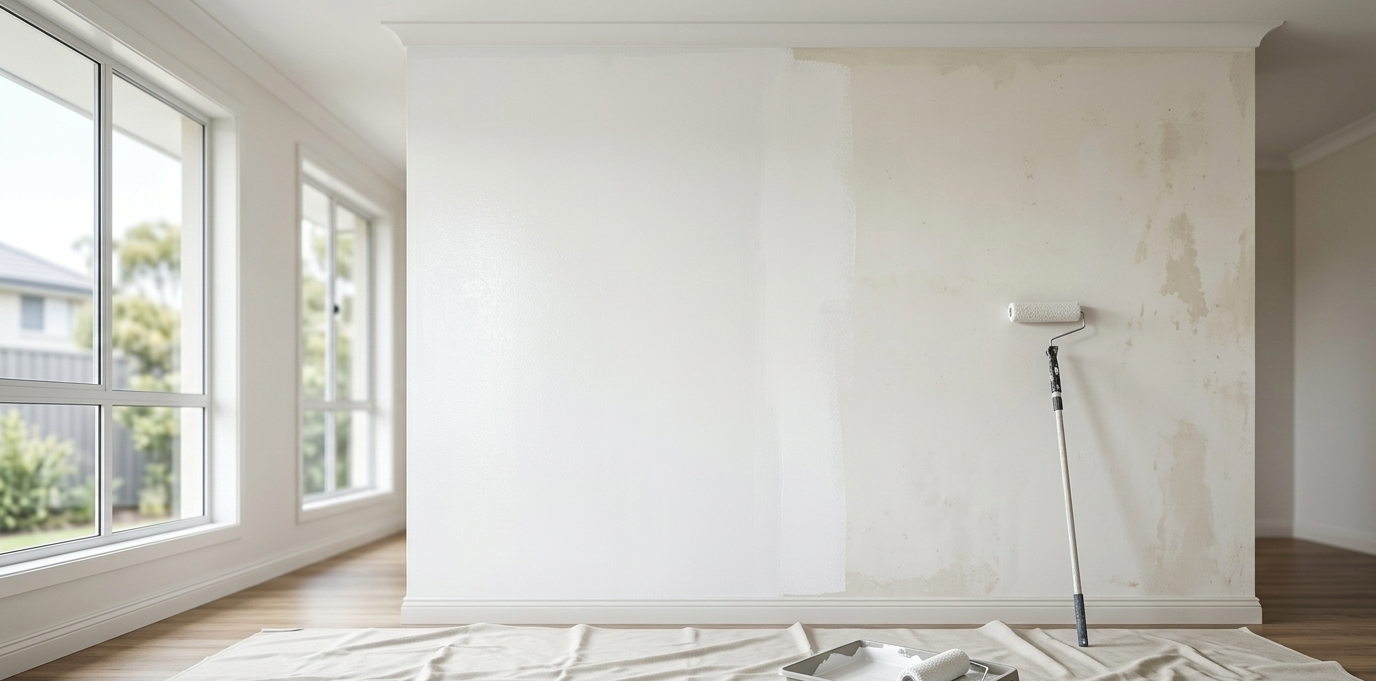
Many homeowners skip primer to save money, but this choice often ends up costing more in the long run. Primer isn’t just another coat of paint; it has specific, essential functions that prepare your walls so topcoats can perform at their best. In our 15+ years of painting Sydney homes at A One Korean Painting, we’ve seen the difference proper priming makes in paint durability and appearance. This article explains what primer does, the types of primers available, when to use primer paint, and the many benefits it delivers. By the end, you’ll understand precisely why primers matter and when they’re essential.
Understanding What Primer Is
The Foundation of Professional Painting
Primer is a preparatory coating applied to a surface before the topcoat paint. Unlike paint, it’s formulated with synthetic resins, solvents, and other additives specifically designed to create a strong bond with the surface. Its primary purpose is to prepare and seal walls, timber, or other materials, ensuring the topcoat adheres properly and lasts longer. Paint, on the other hand, is designed for colour, durability, and finish; it’s what gives your walls their look and protection. Using primer and paint together is not optional; they have different jobs. As professionals providing professional interior painting services, we always say: “Primer and paint have different jobs; you need both for the best results.” Proper priming sets the foundation for a flawless, long-lasting finish.
The Five Main Functions of Primer
Why Primer Is Essential to Professional Painting
Primer does a lot more than you might think. First and foremost, it improves paint adhesion. By forming both mechanical and chemical bonds between the surface and the topcoat, the primer ensures the paint adheres properly. Without it, paint can peel, crack, or flake, meaning a job that should last seven years could fail in two. As professionals, we often say: “Adhesion is everything.”
Next, primer seals porous surfaces such as drywall, timber, or concrete. These materials can soak up paint like a sponge, wasting product and requiring extra coats. Primer fills the pores, giving a smooth base and saving money on paint.
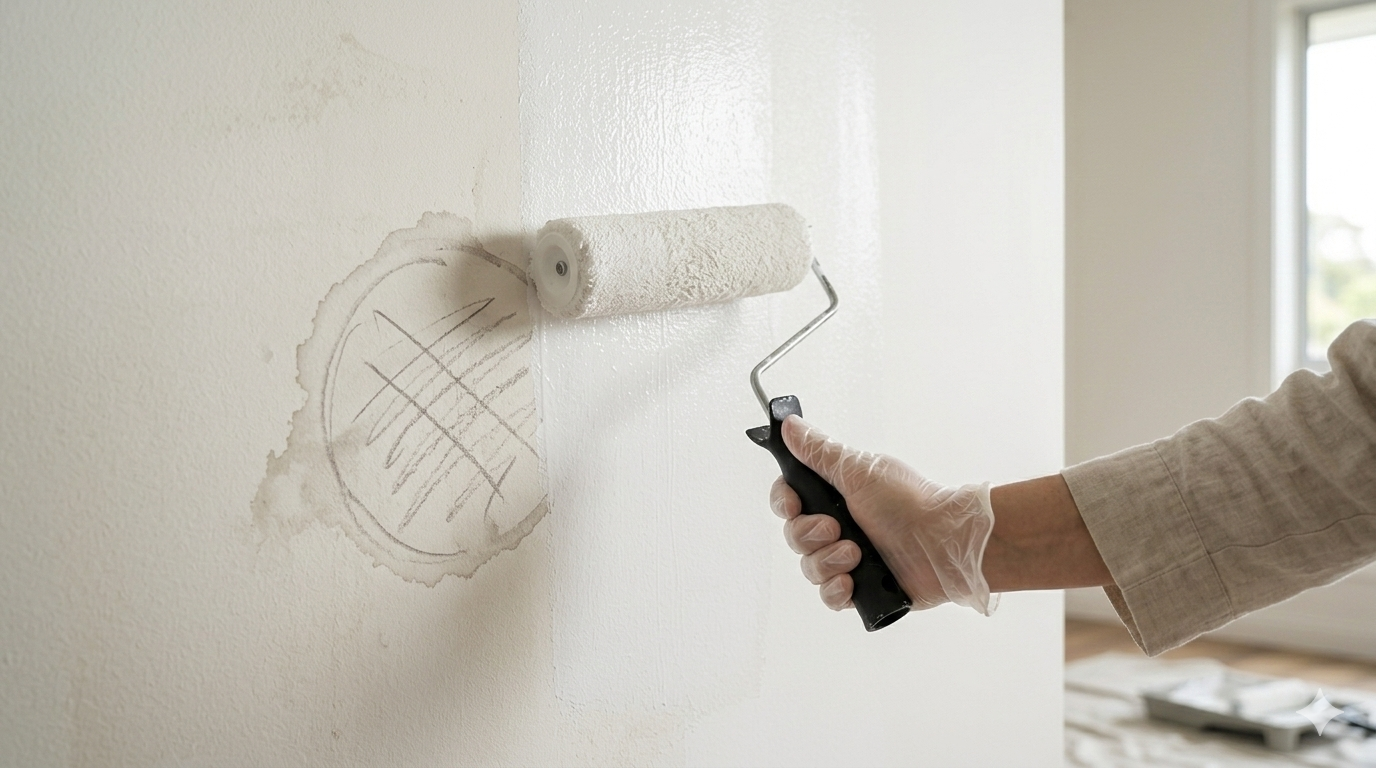
It also blocks stains and discolouration. Water marks, smoke, old paint, even crayon or marker stains are prevented from bleeding through, which is essential when switching from dark to light colours.
Primer neutralises surfaces for true colour. It creates a uniform white or neutral base, so your topcoat looks exactly as intended. Without it, colours can appear off or patchy.
Finally, primer creates a smooth, even surface. It fills minor imperfections, levels patched areas and results in a polished, professional finish.
These five functions working together are what make primer the unsung hero of painting. Proper priming isn’t just an extra step; it’s the foundation of a long-lasting, beautiful paint job that saves time, money, and frustration in the long run.
Types of Primers
Choosing the Right Primer for Your Job
Picking the right primer is key to a professional finish. Water-based (acrylic) primers are the most common choice. They’re eco-friendly, low odour, and easy to clean up. Perfect for interior drywall, they’re not the best for glossy surfaces or metal.
Oil-based primers offer excellent adhesion on glossy surfaces, timber trim, and metal. They’re long-lasting but have a stronger odour and longer drying time.
Shellac-based primers are fast-drying, usually in 15 to 30 minutes and provide top-notch stain-blocking. They work well on tricky surfaces but do come with a strong odour.
Stain-blocking primers are designed specifically to prevent water, smoke, marker, or grease stains from bleeding through. Available in water- or oil-based options, they’re essential for problem areas.
Speciality primers cover unique surfaces such as metal, masonry, or patched drywall. Choosing the right type depends on the material, the condition of the wall, and the finish you want.
As professionals, we stress: “Selecting the correct primer for your situation is crucial. The right primer sets the stage for a flawless, long-lasting paint job.”
When You Absolutely Need Primer
Situations Where Primer Is Essential
There are times when skipping primer is a false economy. New, unpainted drywall soaks up paint like a sponge, making primer a must. Raw timber is highly porous and benefits from a sealing coat, while metal surfaces need primer to ensure paint sticks properly.
If you’re making a significant colour change, especially from dark to light, primer prevents old colours from bleeding through. Problem surfaces, such as walls with water stains, smoke marks, or scuffs, also need a protective base. Any repaired or patched areas require primer to even out the surface.
Even if the wall is already painted, glossy surfaces demand primer for adhesion. High-moisture rooms like bathrooms and kitchens, and exterior walls facing the sun and rain, also benefit.
As we always tell clients: “We never skip primer in these situations, it’s non-negotiable for professional results.” Using a primer saves time, money, and frustration in the long run.
When Primer May Be Optional
In some cases, you can skip primer, but it’s a gamble. Repainting the same colour on well-maintained walls often doesn’t require it. Some quality paint-and-primer products or modern paints with primer built in can also reduce the need.
However, these shortcuts aren’t foolproof. Surfaces may still absorb paint unevenly or reveal old colours over time. As professionals, we say: “Some situations allow skipping primer, but we still recommend it for the best results.” Saving a bit upfront can lead to extra coats, patch-ups, or premature wear, making primer worth the investment in nearly every project.
Frequently Asked Questions
Q1: Can I use regular paint instead of primer?
A: Not recommended. Primer and paint have different jobs. Paint won’t seal or adhere properly, which can lead to peeling.
Q2: How many coats of primer do I need?
A: Usually, one coat is enough. Two coats are best for tough stains or big colour changes.
Q3: How long should I wait before painting over primer?
A: It depends on the primer type, usually 1-4 hours. Always follow the manufacturer’s instructions.
Q4: Can I leave primer as the topcoat?
A: No, primer isn’t designed as a finish. Always add a topcoat for durability and appearance.
Q5: Is primer worth the extra cost?
A: Definitely. It saves paint, improves adhesion, and ensures long-lasting results.
The Bottom Line: Primer Saves Time and Money
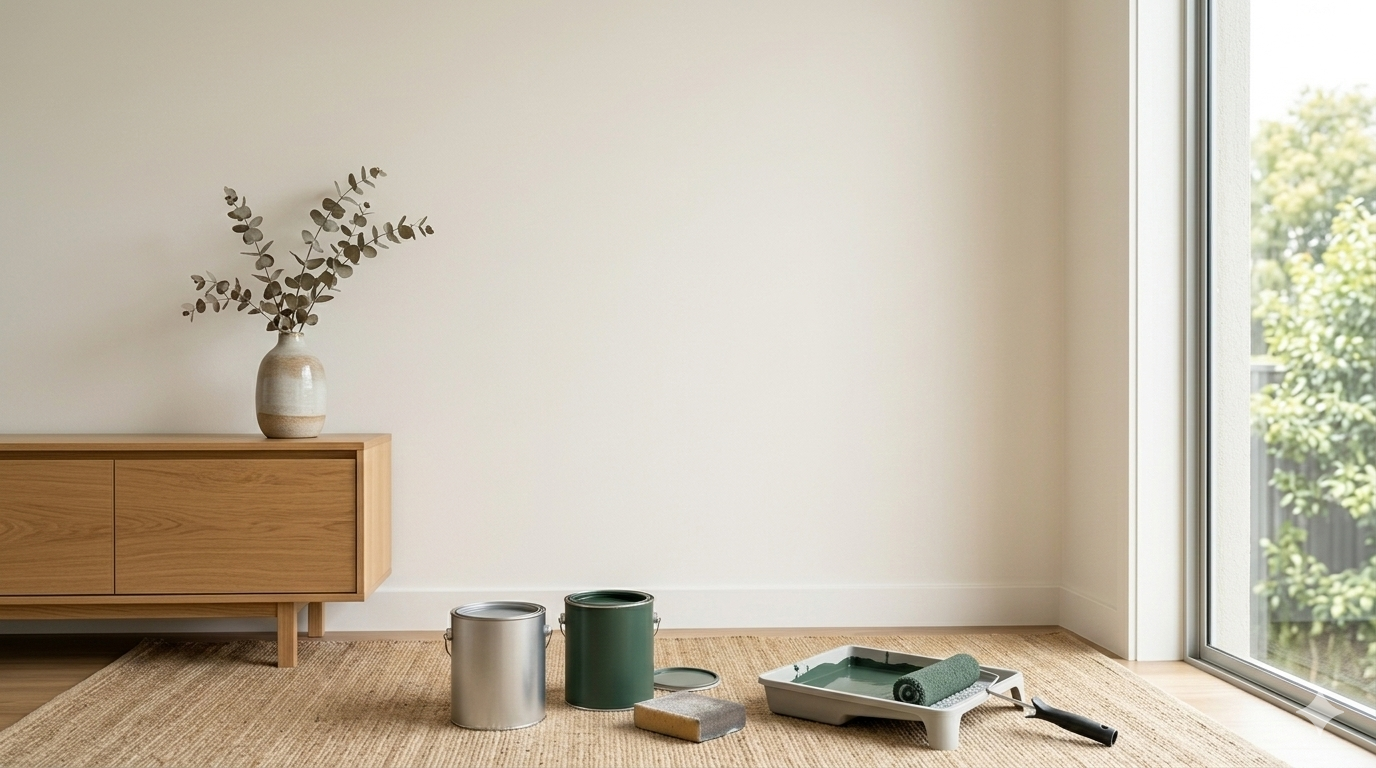
Primer isn’t just an extra step; it’s an investment. Sealing surfaces and improving adhesion, it reduces the amount of paint you need, saving money in the long run. It also blocks stubborn stains, evens out colour changes, and prevents peeling or flaking, which can save costly repairs later. The result is a smooth, professional finish that lasts for years. For professional painters, using the right primer is non-negotiable. While it may add a little upfront cost, the time, effort, and paint you save make it one of the smartest steps in any painting project.
Conclusion – Primer Matters
Primer plays five essential roles: improving adhesion, sealing porous surfaces, blocking stains, neutralising colour, and creating a smooth, even base. Using the right type of primer for your surface ensures these benefits are maximised. While it may feel like an extra step, the investment pays off with longer-lasting, professional results and a flawless finish. Skipping primer often leads to peeling, uneven colour, and wasted paint. For any painting project, whether interior or exterior, don’t cut corners. Primer is the foundation of a beautiful, durable paint job that will stand the test of time.