
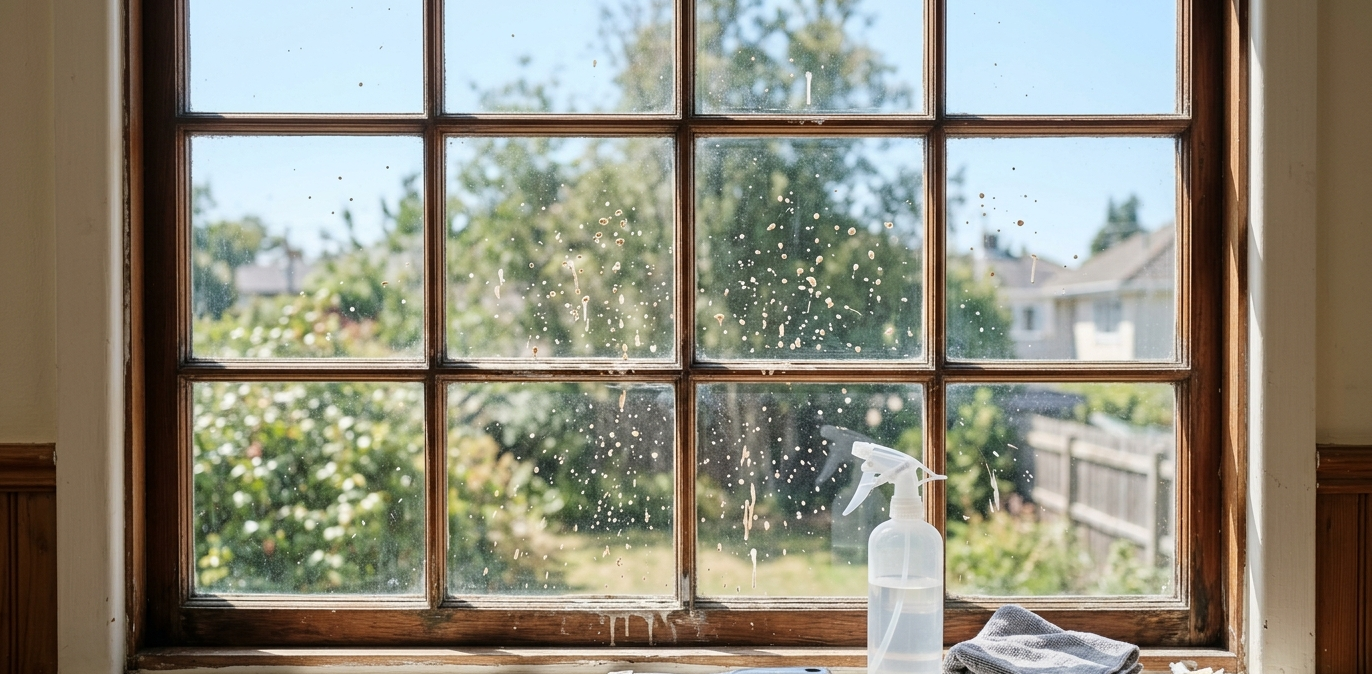
Not every drip spells disaster when it comes to glass surfaces. Sometimes a stray mark shows up after painting – normal, really. That spot won’t force you into swapping out panes or spending extra cash. With steady hands and proper steps, paint lifts off clean without harm. Years back, we started tackling these mess-ups across Sydney houses.
Since then, handling leftover specks has become second nature through routine and care. A fresh start might mean trying a home fix first; sometimes that works just fine. Glass painted by accident? There are ways out without calling for help right away. Some reach for vinegar while others test baking soda paste under a cloth overnight. Pros arrive when stains resist every try, equipped differently. Still, knowing options changes how fast problems shrink during cleanup hours. Solution strength grows step by step, not all at once
Why Correct Removal Is Important
Keeping Glass and Paint Safe
Peeling paint off glass looks straightforward until a slip leaves scratches behind. Fast moves matter because wet paint wipes clean while dried gunk fights back hard. Depending on the type – latex, oil-based, whatever – methods shift like sand underfoot. Most people underestimate how tough glass can be, though slamming tools into it always ends badly. Each situation needs patience, not power, if mistakes are going to be avoided. Success comes down to skill more than power. Professionals often note that removing paint well means knowing your materials before deciding how to proceed. A slow, thoughtful process protects windows and their edges just fine.
Method 1: Razor Blade Scraping
The Professionals Go-To Approach
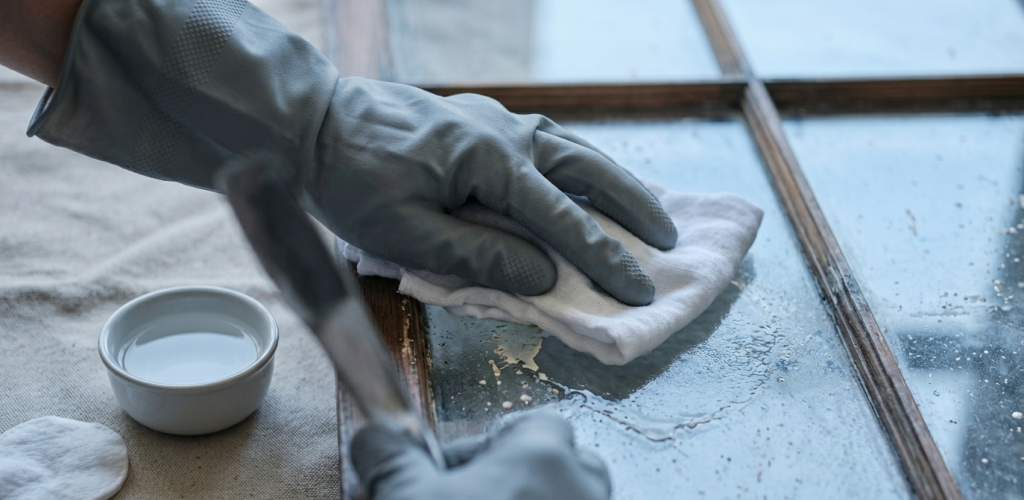
Start by holding the tool at an angle against the surface. A fresh edge works best when pulling it across the pane. Mist helps loosen what sticks. Wipe away debris as you go. Protection for hands matters more than most think. Some also shield their eyes just in case. Smooth passes beat pressure every time. Little bits left behind can be nudged later. Everything stays clearer with steady motion.
Begin with a heavy spray on the painted spot. Scraping dry glass can leave little marks – so skip that entirely. Move the blade at half-slant, pushing outward using steady runs. Going backward strains the surface; just pick up and place again when necessary. Press the edge flush to the pane, tackling only bits at once, adding more cleaner if things get stiff. Take a fresh rag to clear off loosened colour after each pass.
A fresh blade glides more easily when wet. Try gentle strokes instead of heavy pushes – it cuts cleaner. Swap them often, just to be sure. Sharp tools with slick fluid do the job without strain.
Method 2: Natural Solvent Solutions: Vinegar and Water
A Softer Way Without Chemicals
Hot water mixed with white vinegar works well when you want something safe. A splash of dish soap goes in, too, just in case you feel like it. Equal amounts make the blend easy to prepare. Letting it sit after boiling helps strengthen it, though wait till it is no longer scalding. Cooling happens fast near an open window. The mix cleans without harshness once warmth fades.
Start by soaking a fresh rag or sponge in the warm mix before spreading it across the painted spot. A few moments later – around five to fifteen minutes – the paint should begin loosening up. After that time has passed, ease off the coating using light strokes from the fabric or a gentle tool made for scraping. Go over it again if any residue remains stuck. Once most of it is gone, run a standard window cleaning product over the surface to clear away leftover film.
One good thing – it won’t harm tinted glass. Getting through fresh, soft paint? It handles that well. A downside pops up when the job takes more time than expected. Thick coatings tend to resist their action. Older paint, set hard over the years, doesn’t lift easily. Works just fine on painted trim around windows. Safety stays high when using it near delicate surfaces.
Method 3: Acetone Nail Polish Remover
Easy Paint Remover
When paint clings too hard for regular cleaning, acetone steps in. It handles crusty spots where nothing else works, especially in tight edges. This goes only on clean glass without colour added. Any tinted surface should stay away from it.
A little acetone on a soft rag works well. Try using a cotton pad instead if you prefer. Gently move it over the colored spot. Watch how the colour begins to break down. A fresh section of cloth helps lift what comes off. Go over it again when streaks remain. Clarity returns piece by piece. Finish only once the surface looks untouched.
Watch out. Acetone harms window tints and painted surfaces – best left untouched there. Open windows while using it, better safe than sorry. Skin protection matters, so gloves are a must during cleanup. Once done, wipe every trace away completely. Lingering drops? They might bite into glass when the sun hits them long enough.
Professional warning: “We only recommend acetone as a last resort. Most paint removal jobs are safer and easier with alternative methods.”Clean the glass last, using a regular cleaner so nothing sticky or unseen is left behind.
Method 4: Fine Grade Steel Wool
Gentle Abrasive Option
When you need to lift a little paint left behind, super-fine steel wool works well. Stick to the 0000 kind – anything rougher might leave marks on the surface. Wet it first, using either water or glass spray, so it moves smoothly. Move in soft circles, applying almost no pressure at all.
Start scraping gently – steel wool handles tiny leftover bits without fuss. It lasts through several uses, saving money over time. Pros might pick it instead of a blade when detail matters most. Finish work often turns out smoother this way.
Slower compared to a razor blade. More effort is needed during use. Mistakes in the method might leave scratches behind. Works poorly when layers of paint pile up too high.
Professional note: “Steel wool is a secondary tool; we use it mainly for polishing after initial paint removal.”
Frequently Asked Questions
Q1: What’s the fastest way to remove paint?
A bit of glass cleaner on a razor often works fastest. Getting it right takes practice.
Q2: Can I use a heat gun to soften paint?
Cracking might happen if you use a heat gun on glass, particularly when it’s cold outside. Skip them entirely.
Q3: Is paint stripper safe on glass?
Far from ideal. Many of these stripping agents go too far, leaving behind a mess that’s tough to wipe away.
Q4: How to prevent paint from getting on glass?
Start by running tape close to each window frame edge, pressing down hard. That keeps paint drips away entirely.
Prevention Tips
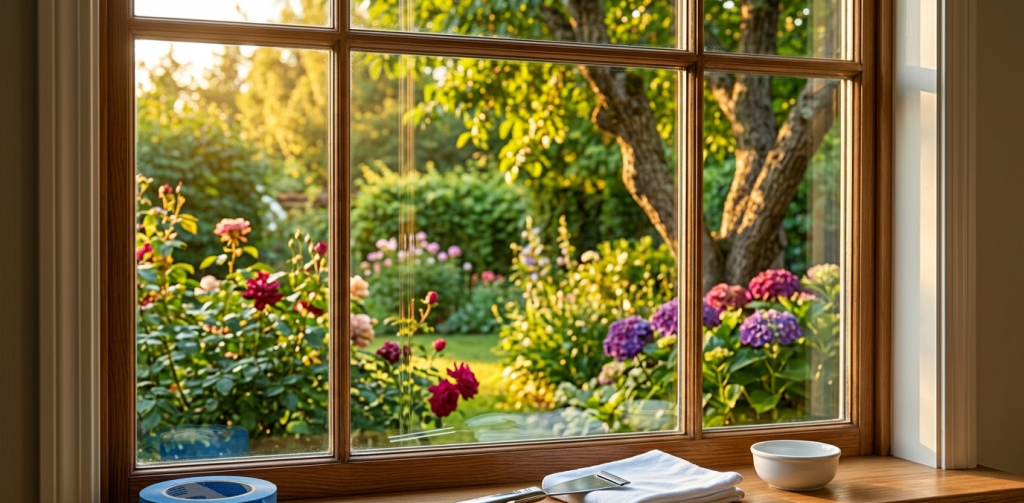
Start by sticking painter’s tape right where the wall meets the window pane, pushing it down well so it sticks tight. Once paint feels tacky on top – though still wet underneath – peel the strip off slowly to stop jagged lines forming. Toss light coverings across the glass panes before starting, just in case splatters fly. Spread thick fabric or canvas under work zones so spills stay contained. Professional painters in Sydney use these methods routinely, saving time and avoiding damage to glass or surrounding surfaces, making the job far less stressful.
Conclusion: Quick Fix for a Frequent Issue
A fresh coat on glass isn’t the end of the story. Using the right way, removal happens fast – without harm. For most cases, a razor blade and glass cleaner deliver the fastest, cleanest results. Those who prefer nature’s touch might try vinegar; it works well without harshness. Acetone steps in when paint won’t budge, though handling matters. Stopping mess before it starts beats fixing later – tape edges down, lay out shields. Should you prefer skipping the hassle, a pro might be worth considering. Using the correct method, streak-free glass appears fast – sometimes faster than expected.