Painting over wallpaper is one of the most debated topics in home decorating. Can you do it? Should you do it? What can you expect? Many homeowners face this decision when chasing a fresh look but dreading the mess and cost of wallpaper removal. In this article, we’ll address how you can paint over wallpaper, how to do it the right way, what’s involved, the potential problems, and the alternatives. In our 15+ years working with Sydney homes interior and exterior painting at A One Korean Painting, we’ve seen both beautiful successes and unfortunate failures with painting over wallpaper. Here’s your practical guide to help make an informed decision.
Can You Paint Over Wallpaper?
Understanding the Basic Option
Short answer: yes, you can paint over wallpaper in most cases, but sometimes you really shouldn’t. If the wallpaper is smooth, well-adhered, and in good condition, painting over it can save time and avoid potential wall damage. It’s also a practical solution when multiple layers make removal tricky.
However, painting over wallpaper isn’t recommended if it’s damaged, peeling, loose, textured, or made of vinyl or plastic. Fabric-backed vinyl wallpapers are particularly risky. Painting over these can lead to bubbling, peeling, and uneven surfaces.
Professional insight: “The key isn’t whether you can paint over wallpaper, but whether you should.” While it’s less desirable than painting on a properly prepared wall, sometimes it’s the least disruptive option. In cases of damaged, peeling, or loose wallpaper, or when multiple stubborn layers are present, removal remains the safest and most durable choice.
Pros of Painting Over Wallpaper
Potential Benefits of the Approach
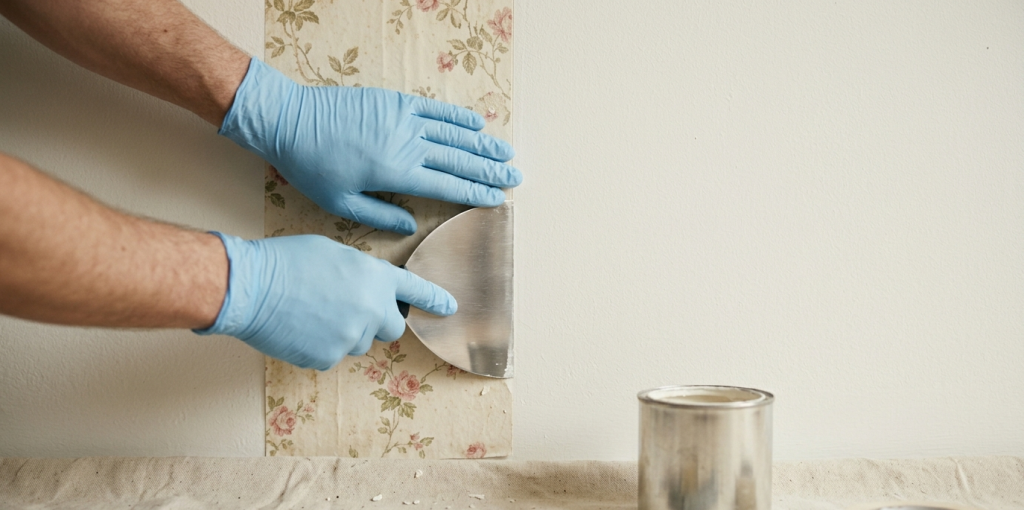
Painting over wallpaper can be a practical and cost-effective solution for your next interior house painting project. It avoids the expense of removal tools, chemicals, and extensive wall repairs, saving both time and money. For homeowners or DIY painters, it’s often simpler and less disruptive than stripping wallpaper completely.
This approach can also protect the underlying wall, especially if it’s delicate or the wallpaper removal could cause damage. Painting preserves the wallpaper surface, which is useful in heritage homes or where wallpaper was costly or difficult to source.
Professional insight: “While we always consider removing wallpaper, sometimes painting over it is the most practical solution.” For many Sydney homes, it offers a faster, lower-impact way to refresh walls without extensive renovation.
Cons of Painting Over Wallpaper
Important Drawbacks to Consider
Painting over wallpaper comes with several potential downsides. Once painted, wallpaper becomes much harder to remove, making future updates more challenging. Seams are likely to remain visible, and textured wallpapers will often show their patterns through the paint. Dark or glossy wallpapers can bleed through, creating uneven colour.
If the wallpaper wasn’t perfectly adhered, painting can cause bubbling or peeling. Edges and seams may create an uneven surface that’s noticeable even after multiple coats. Over time, paint may fail to stick properly, reducing long-term durability.
Professional note: “Most professional painters recommend removing wallpaper before painting because it leads to better, more durable results.” While possible, painting over wallpaper carries visual and structural risks.
When You Can Successfully Paint Over Wallpaper
Best Conditions for This Approach
Painting over wallpaper can work, but only if the conditions are right. The wallpaper must be smooth, firmly stuck, and free from loose edges, peeling, bubbling, or cracks. High-quality, non-textured wallpapers are ideal, while older fabric-based papers often handle paint better than modern vinyl options.
Keep in mind that busy patterns or dark colours may still show through, so some texture or slight imperfections might remain. You’ll likely need extra coats of paint to get full coverage, especially with lighter shades. Avoid high-humidity areas like bathrooms or kitchens, as moisture can cause bubbling or peeling over time.
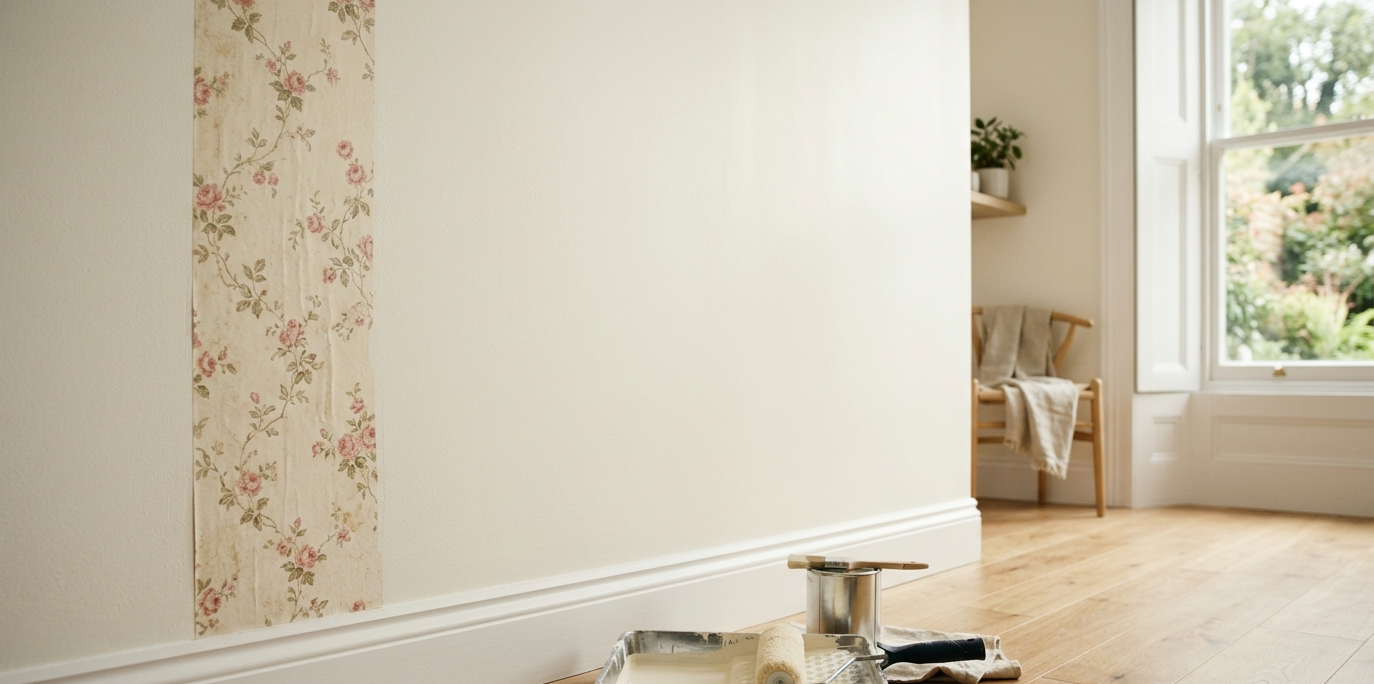
Professional example: “We’ve successfully painted over vintage floral wallpaper that was tightly adhered and flat.” With the right preparation and realistic expectations, painting over wallpaper can be a practical, time-saving solution, but it isn’t suitable for every wall or wallpaper type.
Preparation: The Key to Success
How to Properly Prepare for Painting Over Wallpaper
Before asking, “Can you paint over wallpaper?”, remember that preparation is crucial. Skipping it can turn a simple project into a nightmare. Here’s a step-by-step guide to painting over wallpaper for the best results.
Step 1: Assessment
Check the wallpaper for loose edges, tears, bubbling, or peeling. Gently lift a small corner to test adhesion and note any areas that need attention. Ensure the paper is firmly attached throughout.
Step 2: Cleaning
Remove dust and grease using a mild detergent. In kitchens or greasy spots, wipe gently with a degreaser. Allow the surface to dry completely before moving on.
Step 3: Repair
Reattach any loose edges with wallpaper adhesive. Fill rips or holes with wallpaper compound and sand edges smooth once dry.
Step 4: Sealing
Seal seams and edges with clear caulking to block moisture. Let it dry thoroughly.
Step 5: Sanding
Lightly sand the surface with 220-grit paper. This removes gloss and minor imperfections, creating a tooth for paint to grip.
Step 6: Thorough Cleaning
Remove all sanding dust with a second clean, wiping with denatured alcohol. Dry completely before painting.
Professional insight: “Successful painting wallpaper projects come down to preparation. Rushing this step is the biggest reason painting wallpaper fails.” Following these painting over wallpaper tips will make your wallpaper painting transition smooth and ensure you’re painting wallpaper successfully every time.
Primer: Your Most Important Tool
Why Primer Is Non-Negotiable
Primer is the foundation for painting wallpaper successfully. Skipping it can lead to peeling, uneven finish, or paint soaking into the paper. A good primer seals the wallpaper, blocks stains, prevents glue reactions, and protects seams from moisture, essential for a durable finish.
For painting over wallpaper, oil-based or shellac primers are the go-to. Avoid water-based or latex primers; they won’t adhere properly and may cause wallpaper to deteriorate. Always choose a premium primer designed for wallpaper projects to ensure a smooth, long-lasting result.
Application: Brush all edges and seams first, then use a roller for larger areas. Apply at least two thin, even coats, letting each dry completely (typically 4-24 hours). Professionals sometimes use a third coat for extra durability, especially on patterned or dark wallpapers.
Make sure every seam is fully sealed. Proper priming creates a solid base, stops bubbling, and gives your paint something to grip.
Professional tip: “Priming correctly is the difference between a short-lived job and painting wallpaper successfully that lasts for years.”
Painting Tips
How to Achieve the Best Results
Choosing the right paint is crucial for successfully painting wallpaper. Use high-quality acrylic latex paint and avoid cheap options that may peel or streak. A matte or low-lustre finish helps hide imperfections, while darker colours can better cover stubborn patterns. For efficiency, you can tint your primer with the final paint colour to reduce the number of coats.
Application technique: Start by cutting in edges with a brush, then use a roller for thin, even coats. Apply 2–3 thin layers rather than one thick coat. Multiple thin coats prevent wallpaper from absorbing too much moisture and softening. Allow proper drying between coats as per the paint can instructions, and avoid overworking the paint or leaving brush marks.
Sanding between coats: Lightly sand with 220+ grit sandpaper to remove irregularities and create a smooth surface. Wipe off dust before the next coat to maintain a flawless finish.
Professional tip: “Work systematically in small sections and keep edges wet to avoid lap marks. Consistency is key to painting wallpaper successfully.”
Evaluating Results
Knowing If Your Painted Wallpaper Is Successful
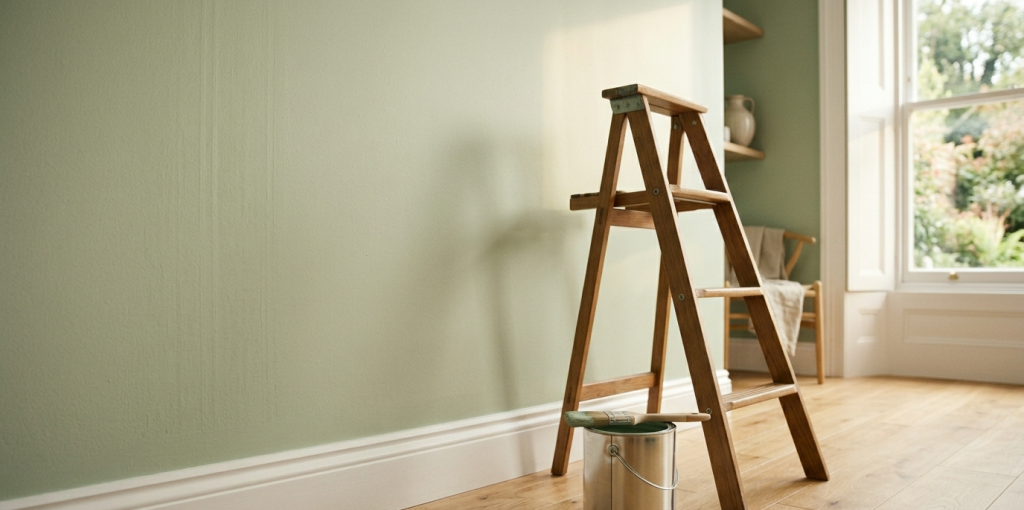
To determine if painting wallpaper was successful, check for a smooth, even surface, hidden seams, and no wallpaper pattern showing through. Acceptable results include a consistent colour, seamless joins, and minimal texture visibility. Subpar results may reveal the original wallpaper pattern, visible seams, excessive texture, bubbling, or peeling.
Professional insight: “We once achieved excellent results painting over vintage 1950s wallpaper, but newer metallic wallpapers proved far more challenging.”
If flaws are obvious or persist despite multiple coats, it may be better to abandon the approach rather than compromise on aesthetics. Realistically, painting over wallpaper can work, but only when expectations align with the surface’s limitations.
Frequently Asked Questions
Q1: How long does painted wallpaper typically last?
A: The wallpaper underneath can last for years, but in areas like kitchens or bathrooms, grease and moisture may seep through. In most other rooms, painted wallpaper can stay in good condition for many years.
Q2: Can I paint over wallpaper without primer?
A: No. Primer isn’t optional. Paint is far thicker and needs a solid surface to stick to. Skipping it can cause peeling and poor adhesion.
Q3: Is there any wallpaper that can’t be painted over?
A: Yes. Fabric-backed vinyl and non-porous plastic wallpapers are poor candidates and should be removed before painting.
Q4: How many coats of primer are needed?
A: At least two coats. For darker colours or major colour changes, extra coats may be needed.
Q5: What paint sheen works best?
A: Matte or flat finishes are ideal; they hide imperfections and stop light reflecting off uneven surfaces.
Alternatives to Consider
Other Ways to Update Walls with Wallpaper
If you’re looking for a long-term, professional finish, removing wallpaper and painting directly onto the wall is usually the best choice. Alternatively, special papers like lining paper or woodchip paper are designed to be painted over, giving you a smooth, paint-ready surface. You can also be creative with partial painting recessed panels, stencilling over existing wallpaper, or creating a feature wall, which can add impact without full removal. For tricky situations, covering poorly-adhered wallpaper with a new layer of paper can provide a fresh canvas ready for paint.
Professional tip: “Sometimes adding a new layer of wallpaper is the simplest way to achieve a clean, paintable surface without the hassle of full removal.”
Conclusion – A Practical Option, Not Perfect
Painting over wallpaper is certainly possible, but it’s not always the ideal choice. When done carefully, with thorough preparation and realistic expectations, it can be a faster, less disruptive, and more cost-effective way to refresh a room. In Sydney’s mild climate, it’s often more feasible than in hotter or damper areas. However, visual imperfections and durability issues are trade-offs to consider. If your wallpaper is damaged or unsuitable, removal is still the best option.