
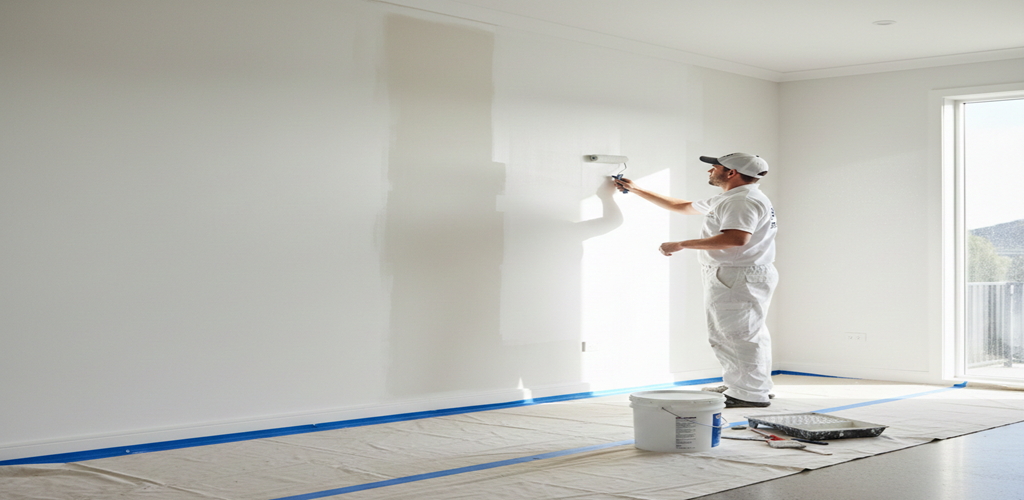
One of the most common questions homeowners ask before starting a painting project is: How long will I have to wait between primer and paint? Understanding how long primers take to dry helps you plan efficiently, avoid mistakes, and get a lasting finish. After 15 years of painting Sydney homes, we at A One Korean Painting have learned that primer timing is crucial; rush it, and you’ll have problems; understand it, and you’ll succeed. This article covers typical primer drying time by type, the factors affecting primer drying, and practical tips for getting it right. With the right timing, you’ll ensure beautiful, lasting results.
Primer Types & Their Typical Drying Times
What to Expect by Primer Type
One of the most common questions is How long does primer take to dry? The answer depends on the type of primer, surface, and environmental conditions. Understanding primer drying time helps you plan your painting project effectively and avoid problems later.
Latex (Water-Based) Primer
- Dries to touch: 30 minutes to 1 hour
- Ready for paint: 1 to 3 hours
- Most common for interior walls; quick-drying option for fast projects.
- Ideal when multiple coats are needed in a single day.
Oil-Based Primer
- Dries to touch: 1 to 2 hours
- Ready for paint: 6 to 8 hours, up to 24 hours in cooler or humid conditions
- Superior adhesion and stain-blocking, perfect for water-damaged or problem surfaces.
Shellac-Based Primer
- Dry time: 15 to 30 minutes
- Ready for paint: under 1 hour
- Fastest-drying option, excellent for extreme stains and odours.
Self-Etching Primer (Metal Surfaces)
- Dries to touch: 30 to 60 minutes
- Ready for paint: 1 to 3 hours
- Specially formulated for strong adhesion on metal.
Quick-Dry Primers (Specialty Brands)
- Dries to touch: as little as 15 minutes
- Ready for paint: 1 to 2 hours
- Specially formulated for strong adhesion on metal.
- Premium option for tight timelines.
Professional note: Always check the product label for primer types and drying times, and follow the instructions. Factors like temperature and primer drying, humidity, and application thickness affect wall primer paint drying time. Properly timing the wait between primer and paint ensures the paint adheres well, prevents bubbling, and results in a smooth, long-lasting finish.
Primer dry time can vary, so patience is key. Thin coats and good ventilation also help with speeding up primer drying while maintaining quality.
Key Factors Affecting Drying Time
Timeless Combinations That Never Disappoint
What Impacts How Fast Your Primer Dries
Several factors influence how long it takes the primer to dry. Understanding them helps with better planning and avoids problems such as bubbling or poor adhesion.
Temperature
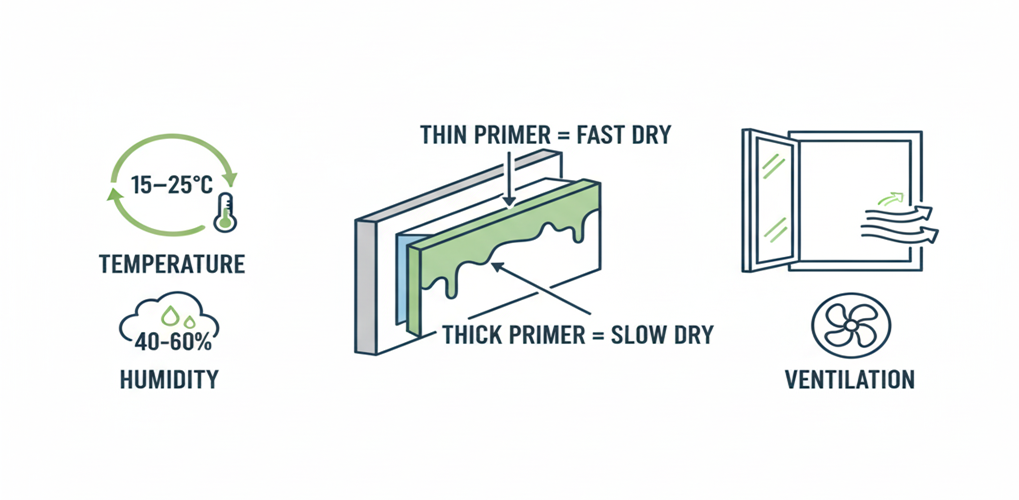
Most primers dry best between 15–25°C. Below 15°C, drying slows significantly, while above 25°C, primer can dry too quickly, causing uneven finishes. Maintain a steady temperature for consistent results. Professional tip: “Extreme temperatures cause drying problems—maintain moderate conditions.”
Humidity
Ideal humidity for primer drying is 40–60%. Below 40%, the primer may dry too fast, leaving a patchy surface. Above 60%, drying slows dramatically, sometimes doubling primer dry time. Sydney’s coastal humidity can be high, so consider using a dehumidifier for larger projects.
Surface Porosity
Porous surfaces like drywall, timber, or concrete absorb primer, slowing drying. Non-porous surfaces, such as metal, glass, or glossy paint, allow primer to dry faster. Adjust timing depending on your wall type. Professional insight: “Understanding your surface helps predict drying time accurately.”
Application Thickness
Thin, even coats dry faster than thick layers. Heavy application can double drying time. Apply multiple thin coats rather than a single thick coat for best results.
Ventilation
Airflow speeds up drying. Poor ventilation extends drying time. Open windows, use fans, and create cross-ventilation for efficiency.
Primer Brand & Formula
Different brands and formulas have varying primer curing times. Quick-dry primers are available for fast timelines. Always read the product label to ensure it matches the conditions.
Carefully managing these factors helps achieve proper adhesion and a smooth, long-lasting finish.
Dry to the Touch vs. Ready to Paint
Understanding the Difference
It’s important to understand the difference between dry to the touch and ready to paint. A primer may feel dry on the surface but still be soft underneath. Painting over it too soon can lead to poor adhesion, bubbling, peeling, streaky finish, or colour changes.
Ready to paint means the primer has fully cured and is prepared to accept paint properly. A simple touch test can help; if the surface feels tacky or soft, give it more time. Professional rule: “Never rush the clock. Wait until fully cured per manufacturer instructions.”
When in doubt, wait a little longer. It’s always safer to be patient than risk ruining your wall finish.
How to Speed Up Primer Drying Safely
Practical Tips for Faster Results
If you’re working to a tight timeline, there are safe ways to speed up primer drying without risking your finish. Start by choosing a quick-dry primer for faster drying times. Apply thin, even coats; multiple light layers dry faster than a single thick one.
Control the environment: maintain a steady temperature between 18–25°C and keep humidity low using a dehumidifier, air conditioning, or fans. Good ventilation involves opening windows and creating cross-flow with strategically placed fans.
Plan your schedule wisely: mornings are often cooler and more stable for drying. Avoid priming on very humid days.
Professional tip: “Creating ideal conditions is safer than trying to force faster drying.” Extreme heat or rushed methods can cause bubbling, uneven curing, or adhesion issues. Patience and the right environment are key.
Frequently Asked Questions
Q1: Can I paint before the primer feels completely dry?
A: Not recommended. Even if it feels dry to the touch, it may not be fully cured. Painting too soon can lead to adhesion issues and early paint failure.
Q2: How do I know when primer is really ready for paint?
A: Always check the manufacturer’s instructions. Don’t rely on feeling alone. If unsure, waiting longer is safer than rushing.
Q3: Does Sydney’s climate affect primer drying time?
A: Yes. High humidity and coastal salt air can slow primer drying. Allow extra time during humid periods.
Q4: Is it okay to prime in winter?
A: It’s possible but tricky. Cold temperatures slow drying. Keep the space heated and ventilated.
Q5: What if I paint before the primer is dry?
A: Expect poor adhesion, bubbling, peeling, colour issues, and likely rework.
Professional Painter Perspective
Experienced painters know that rushing primer is a false economy. Waiting for the correct primer dry time prevents costly rework and ensures a long-lasting finish. Professionals assess environmental conditions, such as temperature and humidity, and adjust schedules accordingly. When multiple coats are needed, they allow proper drying between each layer to maintain quality. Using the right primer formula for the surface and conditions is standard practice. At A One Korean Painting, we always factor in Sydney’s climate when planning projects. Investing time and patience up front delivers professional results. Educating clients about timing also prevents unrealistic expectations and ensures every paint job meets high standards.
Conclusion – Plan Smart, Paint Successfully
Primer drying time isn’t one-size-fits-all; understanding the factors that affect it helps plan any painting project efficiently. Always check the manufacturer’s instructions for specific primer dry times and resist the urge to rush. Environmental conditions, especially in Sydney, including humidity and temperature, play a big role in how quickly the primer cures. Patience here pays off, ensuring a smooth, durable finish and avoiding future problems. When unsure, wait a little longer; it’s always the safer choice. As the saying goes: “Taking time with primer ensures paint adheres beautifully and lasts for years.”




 Verified by Trustindex